Table of Contents
- How to Build a Company Culture That Lasts
-
- What is Company Culture and Why Does it Matter?
- The Foundation: Core Values and Vision
- Leadership’s Role: Walking the Talk
- Building Blocks: Practical Strategies for Culture Cultivation
- Hiring for Cultural Fit, Not Just Skill Set
- Onboarding That Immerses
- Communication: The Lifeblood of Connection
- Recognition and Rewards: Celebrating Shared Success
- Professional Development: Investing in Your People
- Sustaining and Evolving Your Culture
- Conclusion
- Frequently Asked Questions (FAQs)
How to Build a Company Culture That Lasts
Ever walked into a company and immediately felt a certain vibe, an almost palpable energy that tells you everything about the place? That, my friend, is company culture in action. It’s not just a buzzword; it’s the very heartbeat of your organization, a living, breathing entity that shapes everything from how decisions are made to how employees feel walking through the door each morning. Building a company culture that truly lasts isn’t about flashy perks or foosball tables, though those can be fun. It’s about cultivating an environment where people thrive, feel valued, and are genuinely excited to contribute. It’s a journey, not a destination, and it requires intentional effort, authenticity, and a willingness to evolve. So, if you’re ready to lay down roots for a flourishing workplace, let’s dive deep into making your company’s soul truly resilient.
What is Company Culture and Why Does it Matter?
Before we start constructing, we need a clear blueprint of what we’re actually building. Many people use the term “company culture” loosely, but to truly build something enduring, we need to understand its core. Think of it less as a set of rules and more as the personality of your organization. It’s the shared values, beliefs, attitudes, and practices that characterize an organization and guide its members’ behavior. It’s often unwritten, yet incredibly powerful. It dictates how people interact, how problems are solved, and what it truly means to work within your company’s walls.
Defining the Unseen Fabric
Imagine your company as a vibrant tapestry. Each thread – an employee, a project, a decision – is woven together, but it’s the pattern, the colors, and the overall design that give it character. That’s your culture. It’s the unspoken understanding, the ‘way we do things around here.’ It encompasses everything from the physical environment of your office to the flexibility offered for work-life balance, the transparency of leadership, and how mistakes are handled. Is your culture one of open collaboration or fierce competition? Is it driven by innovation or tradition? These nuances, often invisible on paper, are felt acutely by everyone involved. It’s not just about what you say you are; it’s about what you actually are, day in and day out.
The Tangible Benefits of a Strong Culture
You might be wondering, “Why all this fuss about culture? Can’t we just focus on profits?” Here’s the kicker: a strong, positive company culture doesn’t just feel good; it’s a powerful driver of business success. Think about it. When employees feel connected to a meaningful purpose and a supportive environment, they’re more engaged. Engaged employees are more productive, more innovative, and far less likely to jump ship for a competitor. This translates directly into lower turnover costs, enhanced customer satisfaction (because happy employees create happy customers, right?), and a more attractive employer brand that draws top talent. Moreover, a robust culture provides a compass during turbulent times, guiding decisions and maintaining morale when the going gets tough. It’s an investment that pays dividends in every facet of your operation.
The Foundation: Core Values and Vision
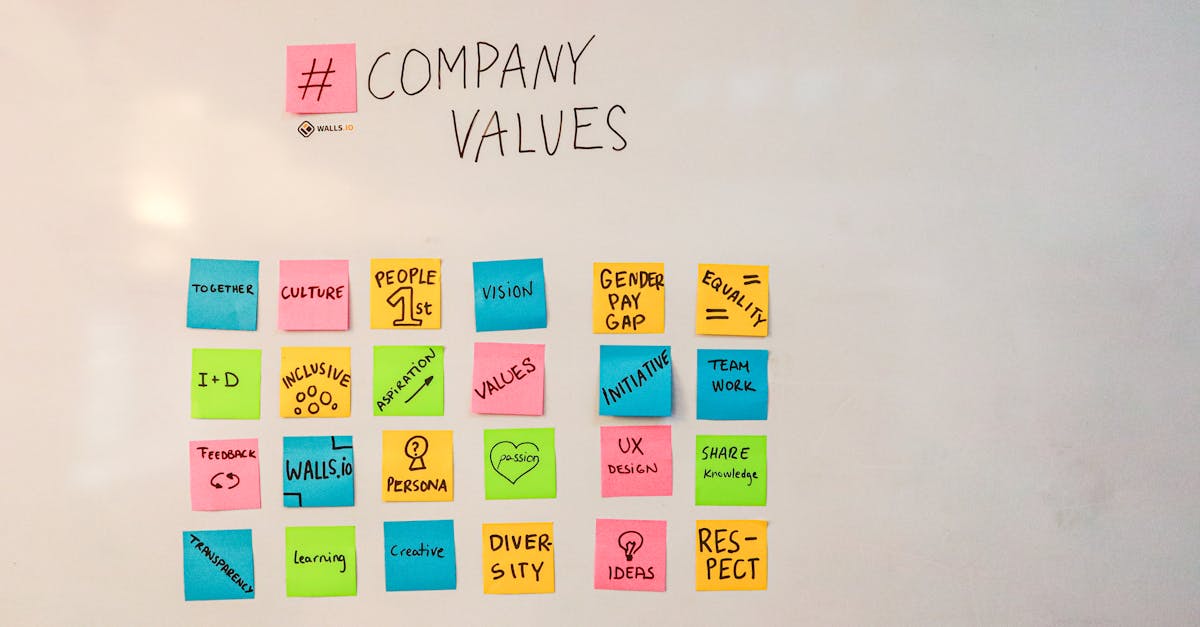
Every great edifice needs a rock-solid foundation, and for a lasting company culture, that foundation is built on clearly defined core values and an inspiring vision. Without these, your culture will lack direction and resilience, like a ship adrift without a compass. This isn’t just about crafting pretty statements for your website; it’s about creating deeply ingrained principles that genuinely inform every action, every hire, and every strategic decision.
Articulating Your Guiding Principles
What truly matters to your organization? What principles will never be compromised, regardless of the challenges? These are your core values. Don’t just pick generic words like “integrity” and “excellence” and call it a day. Dig deeper. What does integrity look like in your daily operations? How is excellence measured and celebrated? Involve your team in this process, or at least a diverse group of key stakeholders. Ask probing questions: “What behaviors do we want to see more of?” “What defines our success beyond financial metrics?” Aim for 3-5 concise, memorable values that genuinely reflect the essence of your company. They should be unique to you, not just platitudes.
Vision Beyond Profit: Inspiring Your Team
While profit is essential for survival, it rarely inspires deep, lasting commitment. Your company’s vision, on the other hand, can be a powerful motivator. It’s the aspirational future you’re all working towards, the impact you want to make on the world. A compelling vision answers the question, “Why do we do what we do?” It should be ambitious, clear, and easy for everyone to grasp. When people understand how their daily work contributes to a larger, meaningful goal, they tap into a profound sense of purpose. This shared purpose acts as a powerful adhesive, binding your team together and providing a clear North Star for all collective efforts.
From Abstract to Actionable Values
It’s one thing to have beautifully written values on a poster; it’s another entirely to see them lived out every single day. The true test of your values is their actionability. How do you translate “customer-centricity” into concrete behaviors? Perhaps it means dedicating a portion of every team meeting to sharing customer success stories, or empowering frontline staff to resolve issues on the spot without bureaucratic hurdles. For “innovation,” it might involve setting aside dedicated time for experimental projects or creating a safe space for people to pitch wild ideas without fear of immediate judgment. Each value needs to have tangible examples of what it looks like when demonstrated well, and what it looks like when it’s not. This transforms abstract concepts into practical guidelines for how everyone should operate.
Leadership’s Role: Walking the Talk
Let’s be brutally honest: culture trickles down from the top. You can have the most meticulously crafted values and an inspiring vision, but if leadership isn’t embodying them consistently, it’s all just hot air. Leaders aren’t just managers; they are the primary architects and custodians of company culture. Their behaviors, decisions, and communication patterns set the tone for the entire organization, shaping what is acceptable, celebrated, and ultimately, what lasts.
The CEO as Chief Culture Officer
The CEO isn’t just the Chief Executive Officer; they are, in essence, the Chief Culture Officer. The ultimate responsibility for shaping and maintaining a thriving culture rests squarely on their shoulders. This means more than just endorsing initiatives; it means actively participating, demonstrating vulnerability, and consistently modeling the desired behaviors. If the CEO preaches work-life balance but sends emails at 2 AM, the message gets muddled. If they talk about transparency but hold back critical information, trust erodes. A CEO’s authenticity and unwavering commitment to the company’s values are paramount. They need to be visible, approachable, and truly invested in the well-being and growth of their people, because their actions speak louder than any company-wide memo.
Empowering Leaders at Every Level
While the CEO sets the overarching tone, culture is sustained by leaders at every level. Managers, team leads, and even informal influencers within the organization play a crucial role in daily culture reinforcement. They are the ones who translate abstract values into daily team interactions. Therefore, investing in leadership development is non-negotiable. Equip your leaders with the skills to coach, mentor, provide constructive feedback, and foster a sense of belonging within their teams. Empower them to make decisions that align with your core values, and hold them accountable not just for results, but for how those results are achieved. When leaders throughout the company consistently “walk the talk,” the culture becomes deeply embedded and self-sustaining.
Building Blocks: Practical Strategies for Culture Cultivation
With a strong foundation and engaged leadership, we can now turn our attention to the practical strategies that will help you actively cultivate and nurture your company culture. These are the daily practices and intentional programs that bring your values to life and weave them into the very fabric of your organization.
Hiring for Cultural Fit, Not Just Skill Set
This is arguably one of the most critical steps in building a lasting culture. You can teach skills, but it’s incredibly difficult to change someone’s fundamental values or personality. When you hire for cultural fit, you’re looking for individuals whose personal values align with your company’s core principles and who naturally resonate with your existing team dynamic. This doesn’t mean hiring people who are exactly alike; diversity of thought and experience is vital for innovation. It means finding people who share your foundational beliefs and who will genuinely contribute positively to the collective spirit. Think of it like inviting someone into your home; you want them to respect your house rules and feel comfortable with your family’s way of life.
Crafting Culture-Centric Interview Questions
How do you assess cultural fit without resorting to vague questions? You need to get specific. Instead of asking, “Are you a team player?” try behavioral questions like, “Tell me about a time you had a conflict with a team member. How did you resolve it?” or “Describe a situation where you had to go above and beyond for a customer. What was the outcome?” If ‘innovation’ is a core value, ask, “Tell me about a time you failed when trying something new. What did you learn?” These questions prompt candidates to share real-life examples that reveal their inherent values, their problem-solving approach, and how they navigate various situations. Also, encourage candidates to ask *you* about the culture; their questions can often reveal what’s important to them.
Onboarding That Immerses
First impressions matter, and nowhere is this more true than in onboarding. Your onboarding process isn’t just about paperwork and setting up IT; it’s your golden opportunity to immerse new hires into your company culture from day one. Go beyond the basics. Introduce them to mentors, schedule informal coffee chats with team members from different departments, and provide an overview of the company’s history, vision, and core values – not just as a lecture, but through storytelling and real-world examples. Help them understand “the way we do things here” and why those ways matter. A well-designed onboarding program can significantly accelerate a new employee’s feeling of belonging and commitment, setting them up for long-term success and cultural integration.
Communication: The Lifeblood of Connection
Just as blood flows through our veins, communication flows through your organization, carrying vital information and fostering connections. A lasting culture thrives on open, honest, and frequent communication. This means leaders sharing company updates, strategic directions, and even challenges with transparency. It also means creating channels for employees to share their ideas, concerns, and feedback without fear of retribution. When communication is clear and consistent, it builds trust, reduces anxiety, and ensures everyone is on the same page, moving towards a common goal. Silence breeds speculation, and speculation is a killer of good culture.
Fostering Openness and Feedback Loops
True communication isn’t a one-way street. To foster an open culture, you need robust feedback loops. This involves regular 1-on-1 meetings, anonymous suggestion boxes (both physical and digital), skip-level meetings, and transparent all-hands Q&A sessions. Teach your team how to give and receive constructive feedback effectively, focusing on behaviors rather than personalities. Encourage healthy debate and the sharing of diverse perspectives. When people feel heard and respected, even when their ideas aren’t adopted, it strengthens their sense of belonging and their willingness to contribute further. Remember, a culture that values openness is one that learns, adapts, and grows continuously.
Recognition and Rewards: Celebrating Shared Success
Everyone wants to feel appreciated, right? Recognition isn’t just a nice-to-have; it’s a fundamental human need and a powerful cultural amplifier. When you recognize and reward employees for embodying your core values, achieving milestones, or simply going the extra mile, you reinforce those desired behaviors. This doesn’t always have to be monetary. A heartfelt “thank you,” a shout-out in a team meeting, a handwritten note, or a small public acknowledgement can go a very long way. Create systems that allow for peer-to-peer recognition as well, not just top-down. Celebrating successes, big and small, builds morale, fosters a sense of collective achievement, and creates a positive feedback loop that strengthens your culture with every acknowledgment.
Professional Development: Investing in Your People
A company culture that lasts is one where people feel they have a future. Investing in your employees’ professional development demonstrates that you value their growth and see them as long-term assets, not just cogs in a machine. This could include access to online courses, workshops, conferences, mentorship programs, or opportunities for cross-functional training. When you provide avenues for learning and skill development, you not only enhance individual capabilities but also signal that your company is committed to their success. This commitment fosters loyalty, reduces turnover, and ultimately builds a more skilled and adaptable workforce, which is a fantastic cultural dividend.
Sustaining and Evolving Your Culture
Building a great company culture is an ongoing process. It’s not a set-it-and-forget-it project. The world changes, your industry evolves, and your team grows. Therefore, your culture needs mechanisms to be measured, maintained, and adapted over time to remain relevant and vibrant.
Measuring Culture: Beyond Employee Surveys
How do you know if your culture is actually working? While annual employee engagement surveys are a good start, they often provide only a snapshot. To truly understand your culture, you need a multi-faceted approach. Look at retention rates, particularly of your high performers. Analyze Glassdoor reviews and other employer branding platforms. Conduct exit interviews to understand why people leave. Pay attention to informal feedback, “water cooler” conversations, and employee Net Promoter Scores (eNPS). Consider pulse surveys that offer more frequent, shorter check-ins on specific cultural elements. The key is to gather both quantitative data and qualitative insights to get a holistic view of your cultural health and identify areas for improvement.
Adapting to Change: Culture is Not Static
A truly lasting culture isn’t rigid; it’s resilient and adaptable. As your company scales, enters new markets, or even shifts to remote work models, your culture will face new pressures and opportunities. Be prepared to adapt. This doesn’t mean abandoning your core values, but rather finding new ways to express and embody them in changing circumstances. For instance, if collaboration is a core value, how do you foster it effectively in a hybrid work environment? Regularly review your cultural initiatives, listen to your employees, and be willing to iterate. Culture is a living organism; it needs nourishment, attention, and sometimes, a little pruning to continue thriving in a dynamic environment.
Conclusion
Building a company culture that truly lasts is one of the most challenging yet rewarding endeavors for any organization. It’s not about quick fixes or superficial perks; it’s about intentional design, consistent effort, and genuine commitment from every level of leadership. By laying a strong foundation of clear values and an inspiring vision, empowering leaders to embody those principles, and implementing practical strategies for hiring, onboarding, communication, recognition, and development, you create an environment where people feel valued, engaged, and driven to contribute their best. Remember, culture isn’t just an HR initiative; it’s a strategic asset, a competitive advantage, and ultimately, the soul of your company. Invest in it wisely, nurture it constantly, and watch as your organization not only survives but truly flourishes for years to come.
Frequently Asked Questions (FAQs)
1. How long does it take to build a strong company culture?
Building a strong company culture is an ongoing journey, not a sprint. While you can start implementing changes and seeing initial improvements within months, truly embedding a lasting culture that becomes second nature typically takes several years of consistent effort, reinforcement, and adaptation.
2. Can you change an existing company culture that is struggling?
Absolutely, yes! While challenging, it’s entirely possible to shift a struggling company culture. It requires clear communication from leadership about the need for change, a reassessment of core values, consistent modeling of new behaviors by leaders, and active involvement of employees in the process. Patience and persistence are key.
3. Is company culture important for small businesses?
Company culture is arguably even more critical for small businesses. In a smaller team, each individual has a disproportionately larger impact on the overall environment. A strong, positive culture can attract and retain top talent, enhance teamwork, and provide a competitive edge against larger competitors, fostering a tight-knit and highly effective unit.
4. How do remote work environments impact company culture, and how can it be maintained?
Remote work fundamentally changes how culture is experienced, but it doesn’t diminish its importance. It requires intentional effort to maintain. Strategies include scheduled virtual social events, transparent digital communication channels, robust onboarding for remote hires, regular video check-ins, and consistent virtual recognition of achievements to foster connection and a sense of belonging.
5. What’s the biggest mistake companies make when trying to build culture?
The biggest mistake is inconsistency between espoused values and actual behaviors, especially from leadership. If a company claims to value “work-life balance” but expects employees to be always-on, or “transparency” but withholds critical information, trust erodes, and any attempts to build a positive culture become performative and ultimately fail.